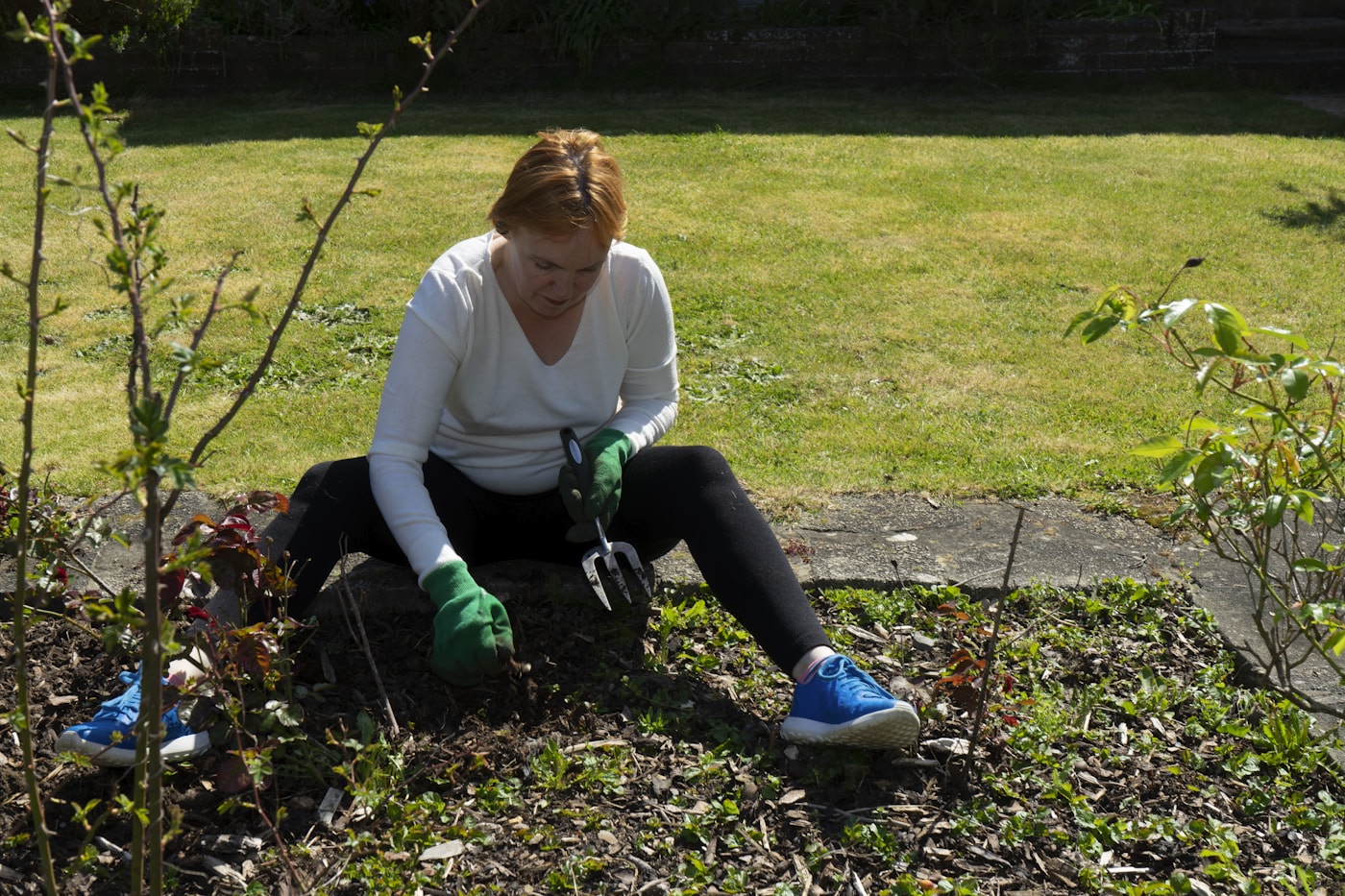
Example 01
Planting & bed care
Use a genuine action photograph to show how the service is delivered—not a generic icon.
Client-site visual proof
An image-led gardener page should make the service tangible immediately. A real client version uses their own gardens, team, materials, and products first.
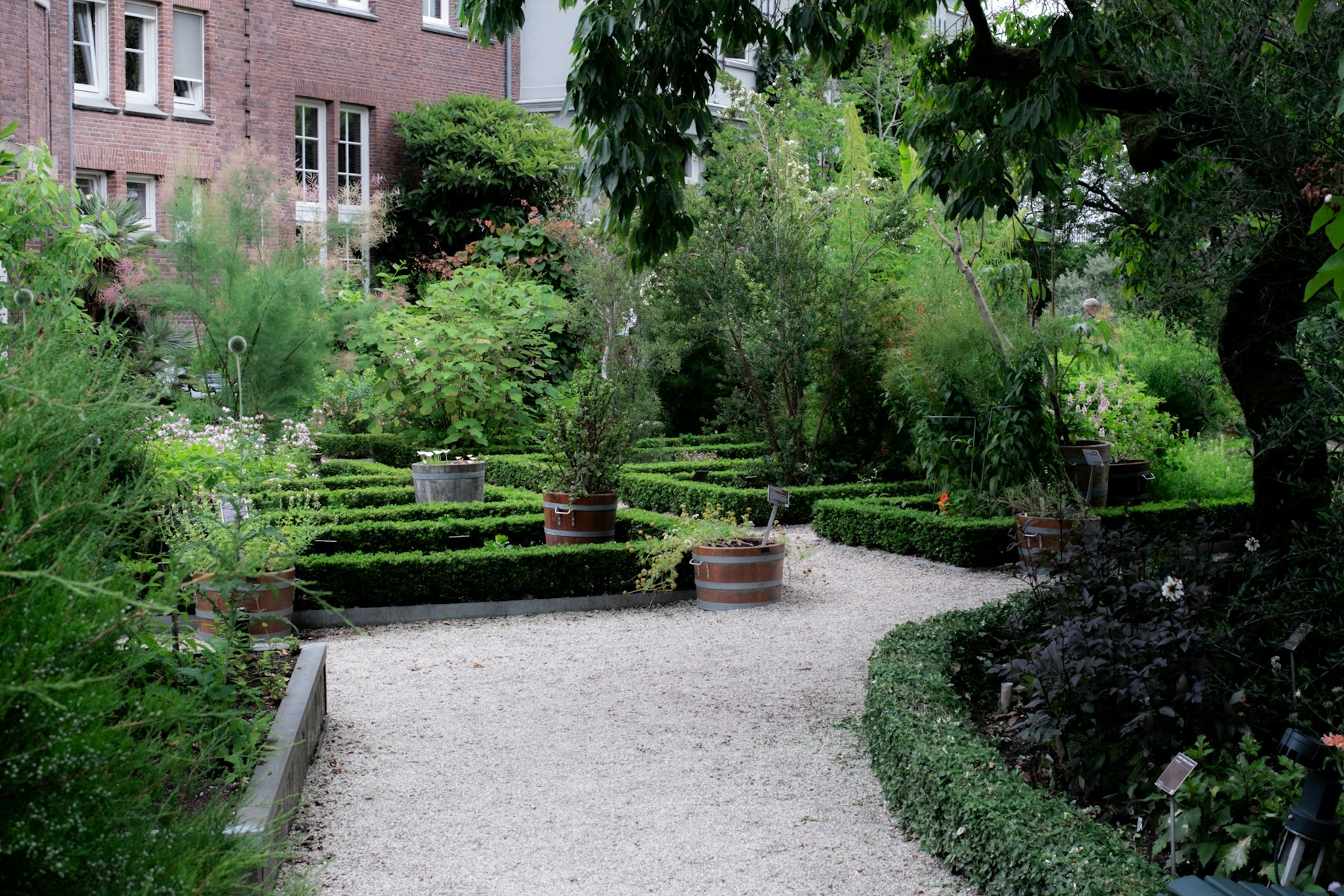
Service-led imagery
These are visual examples of possible gardener categories—not services offered by a real company. In production, every card is generated only from verified client facts and approved media.
Example 01
Use a genuine action photograph to show how the service is delivered—not a generic icon.
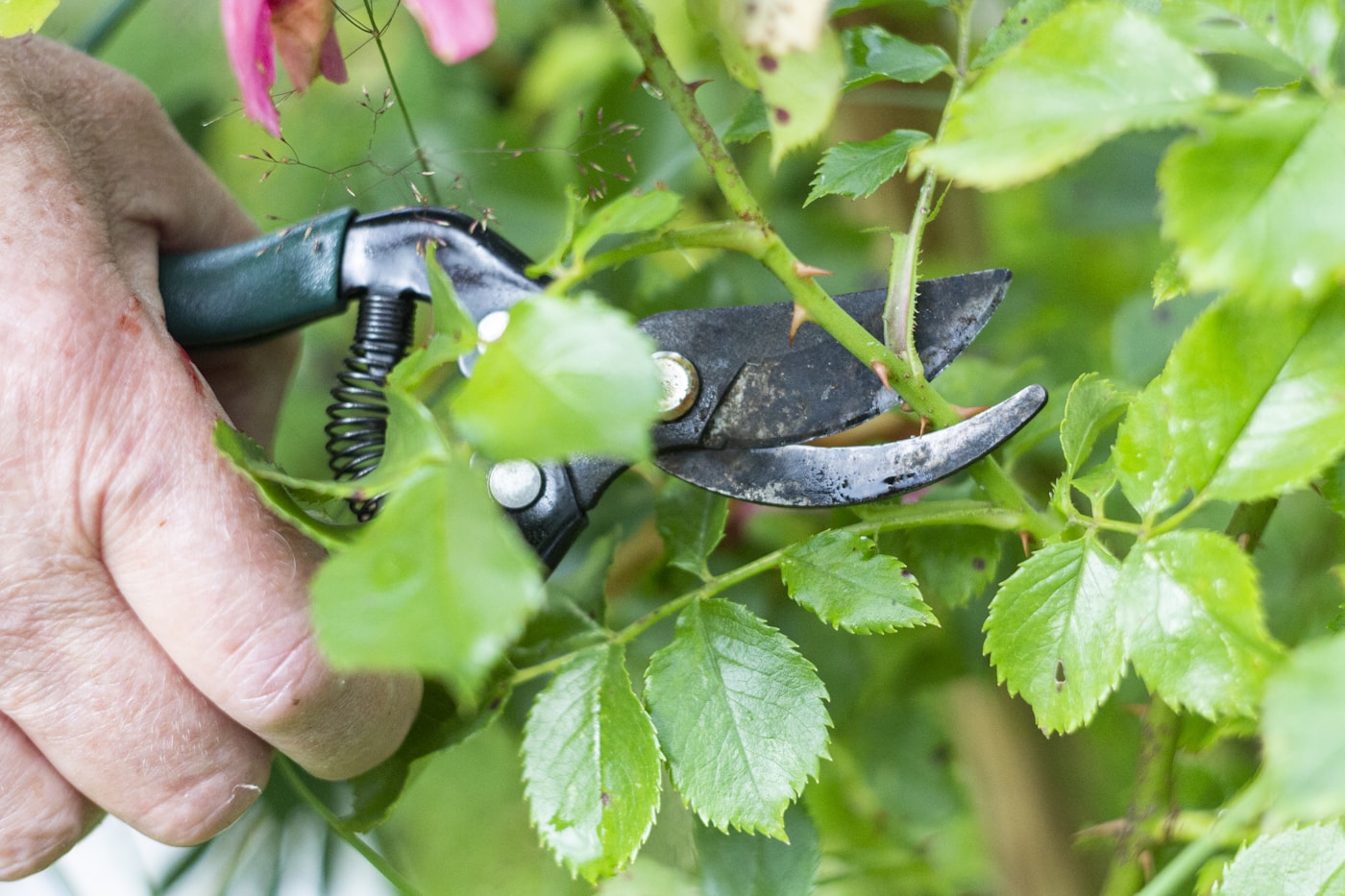
Example 02
Close-up process imagery can make specialist work immediately understandable.
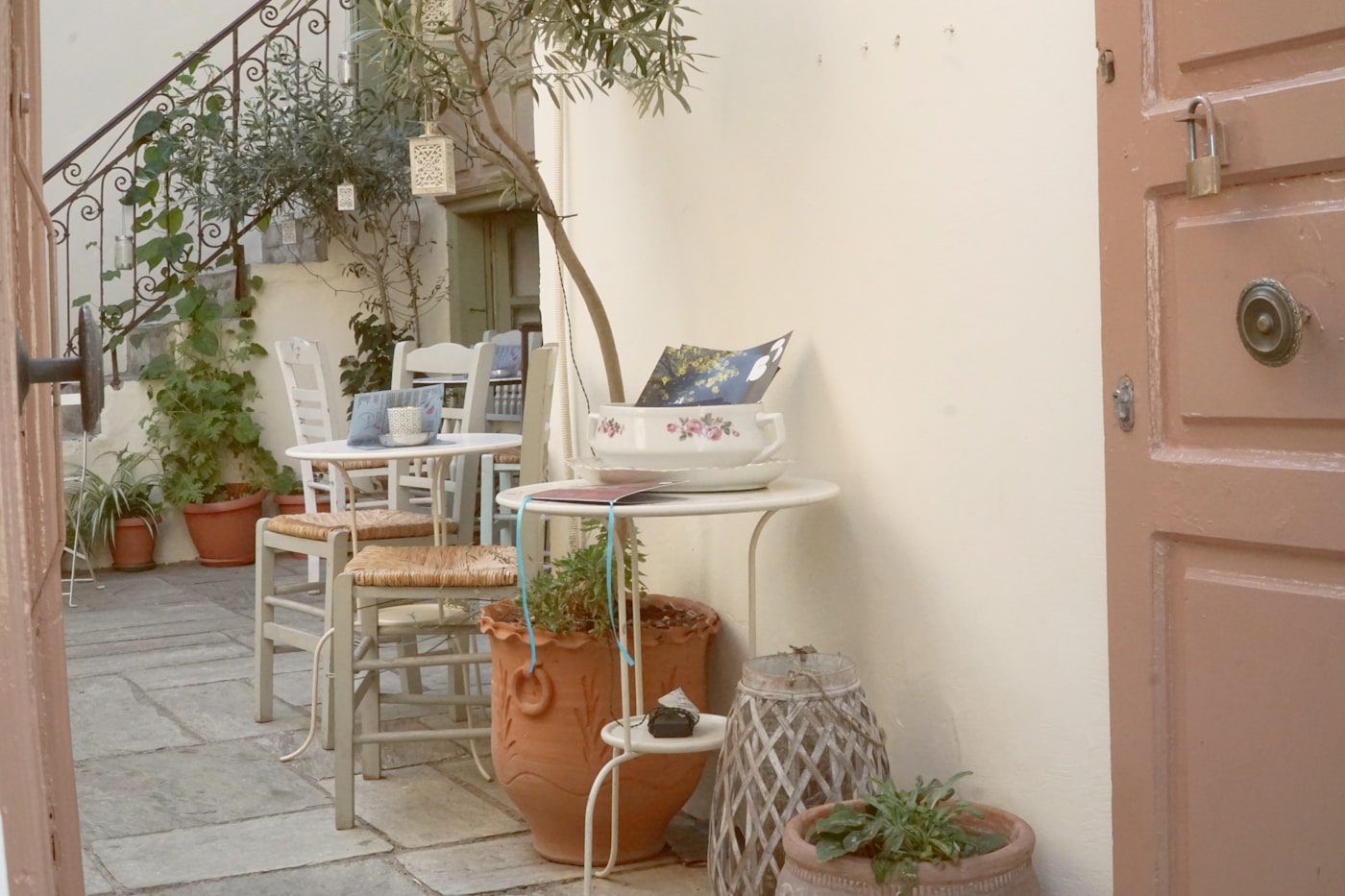
Example 03
Outcome imagery helps visitors imagine the kind of space they want to create.
All three cards use generic licensed photographs for this demonstration. They are not a portfolio, before-and-after evidence, staff photographs, or customer projects.
Media hierarchy
Hero, service details, results, and close-up craft imagery create a visual rhythm. Generic fallbacks remain visibly disclosed until the client uploads approved media.
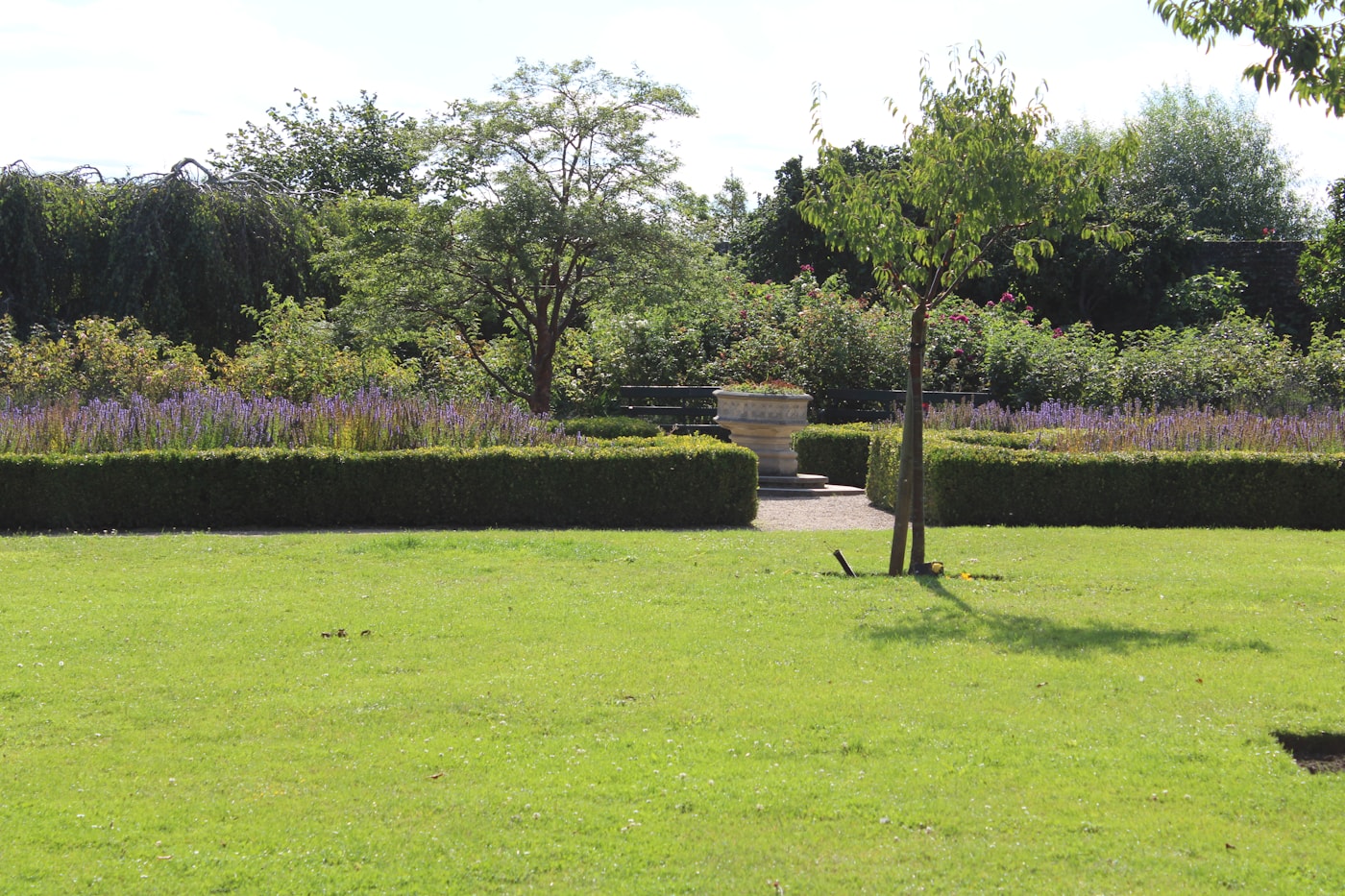
Truthful visual sourcing
01 · Prefer the real thing.
Use the client’s products, completed work, process, team, and premises whenever they have approved them.
02 · Keep facts attached.
Store source, ownership, approval status, caption, alt text, and the service each photograph supports.
03 · Never blur the line.
Stock imagery stays marked generic in content metadata and must never be described as customer work.
Infrastructure demonstration
Phone, email, address, service area, availability, and quote handling remain unknown because this sandbox is not a real business.